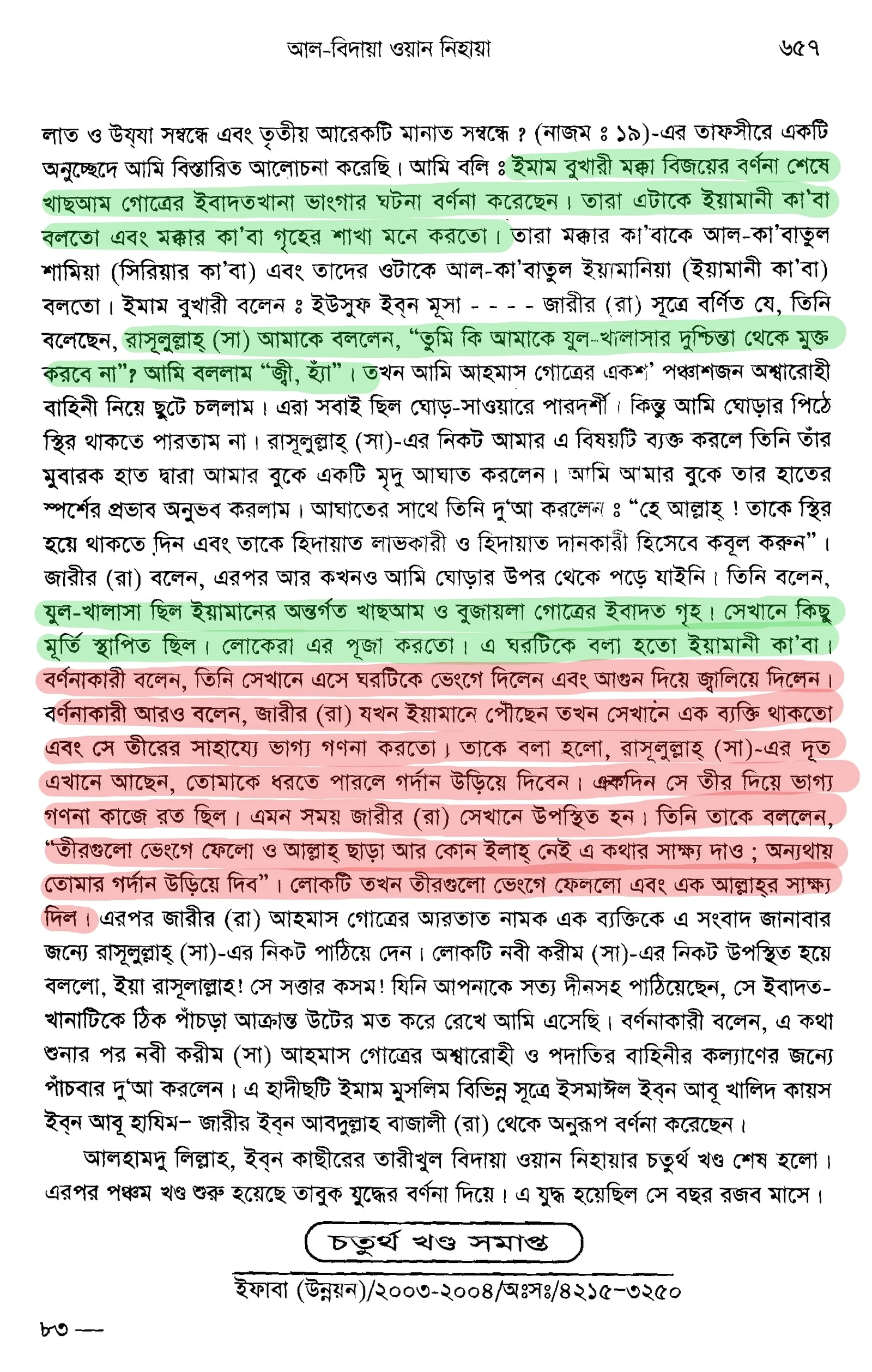
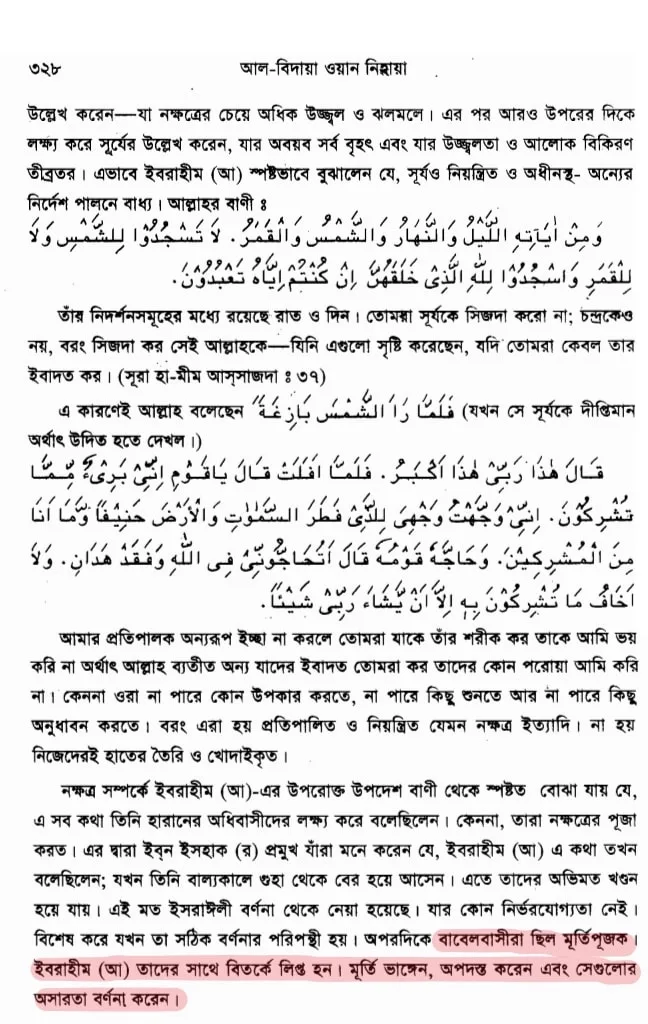
On Muhammad’s orders, Jarir’s forces tore down and burned Dhul Khalasa, the “Yemeni Kaaba,” and killed those they found there. Islamic sources record how a regional sanctuary was destroyed while Mecca’s Kaaba and selected pilgrimage rites were retained under Islam.
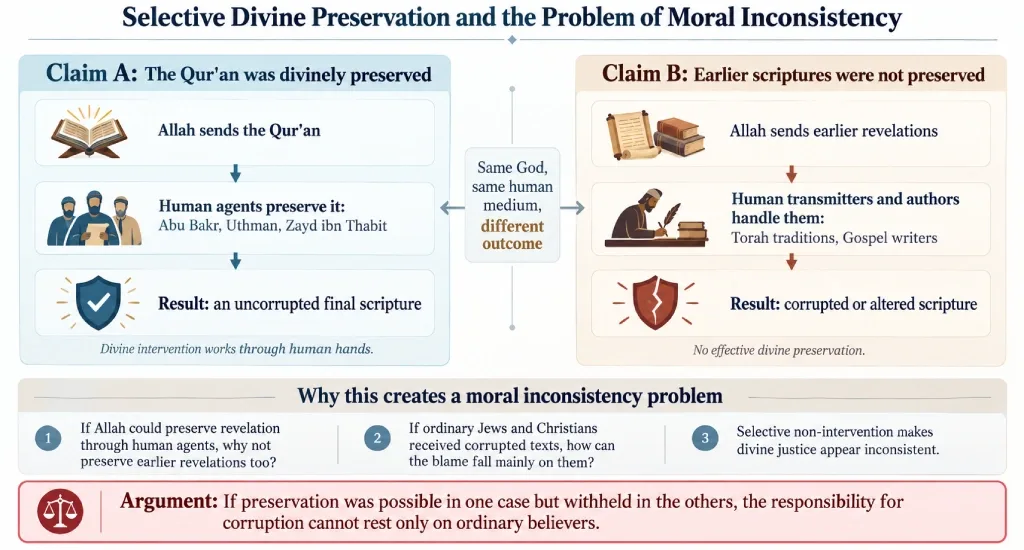
A critical examination of Quranic compilation, textual variants, competing mushafs, suppressed readings, and later revisions. Drawing on classical Islamic sources, it investigates how human decisions and political authority shaped the accepted text and challenges claims of its im
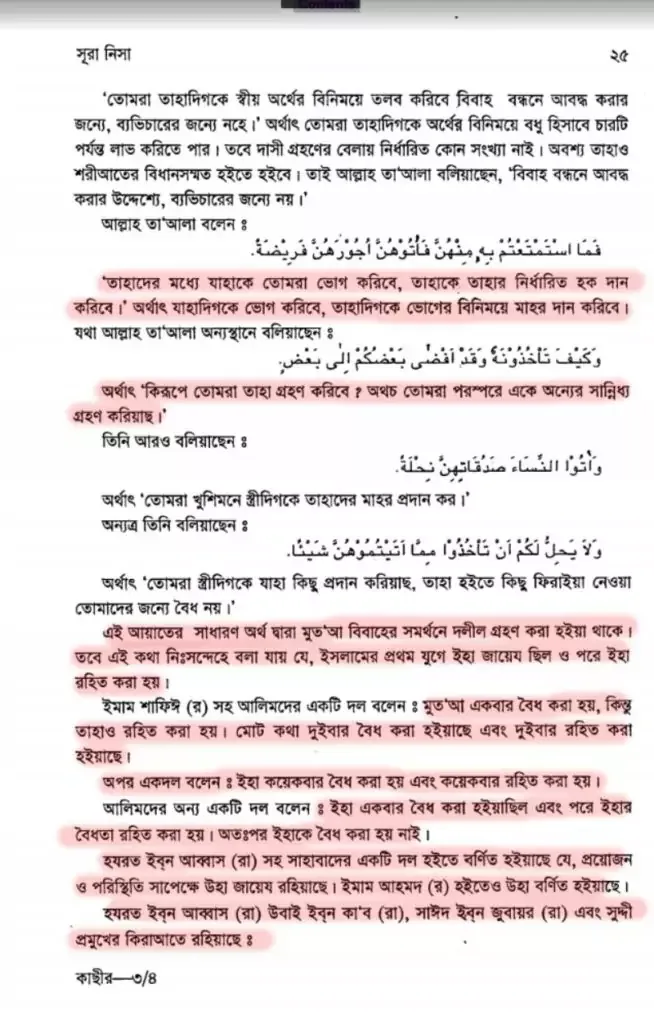
Islamic sources document muta marriage under Muhammad and its continuation until Umar’s prohibition. Conflicting reports, the Companions’ practices, and provisions concerning minors, paternity, maintenance and inheritance raise fundamental questions about consent, women’s rights
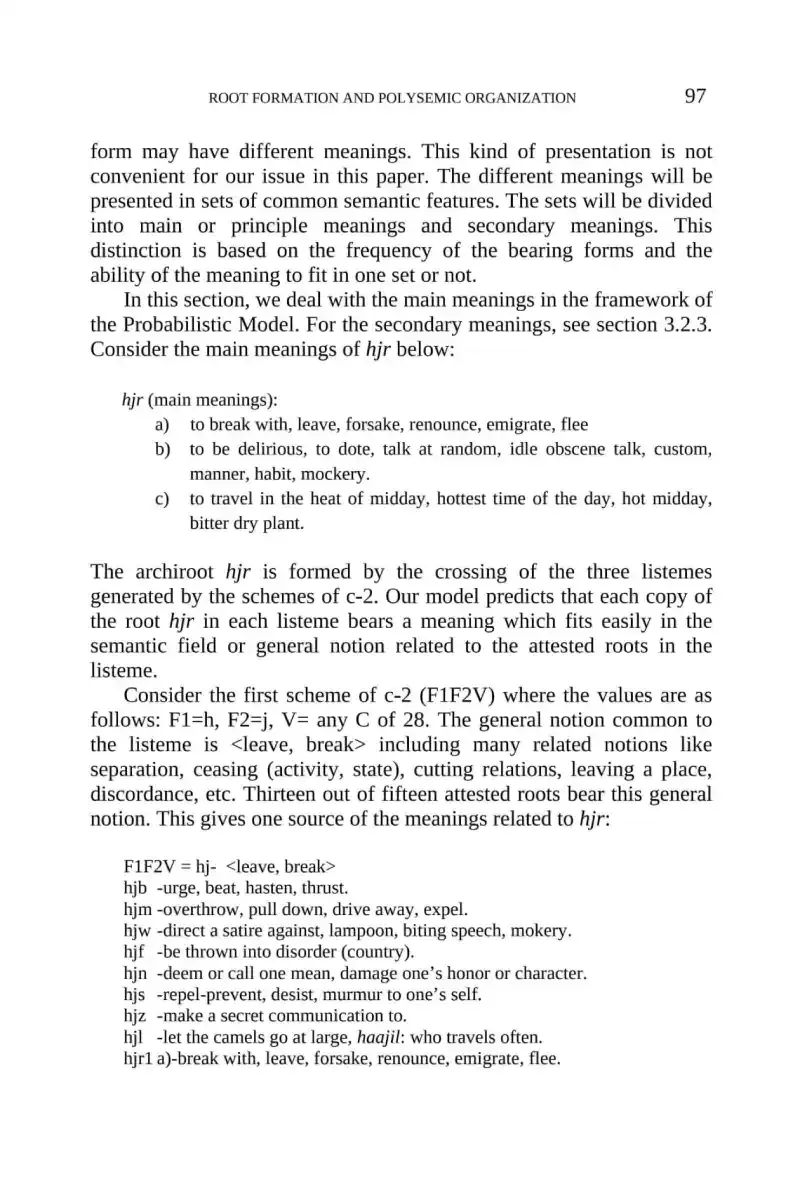
An examination of mukhannath and khuntha in Islamic texts, tracing rulings on exile, social exclusion, employment, marriage, and inheritance, and assessing their implications for the dignity and rights of hijras and gender-diverse people.
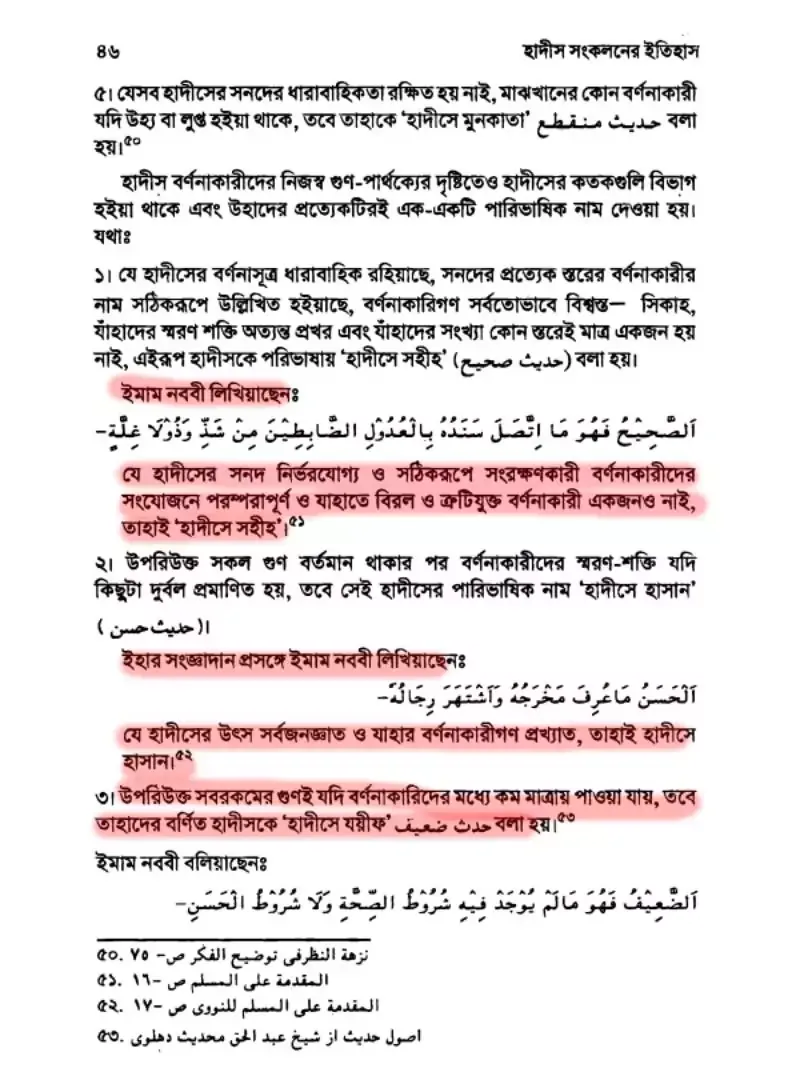
Traditional Islamic law depends on hadith for the interpretation and application of Quranic commands. From prayer and dietary rules to criminal punishments, hadith supplies details absent from the Quranic text. This dependence also raises questions about treating human transmissi
An examination of child abuse and corporal punishment in Islamic texts and jurisprudence. Drawing on hadiths, classical legal rulings, and scholarly fatwas, this article explores the religious justification of beating children, the authority granted to parents and teachers, legal
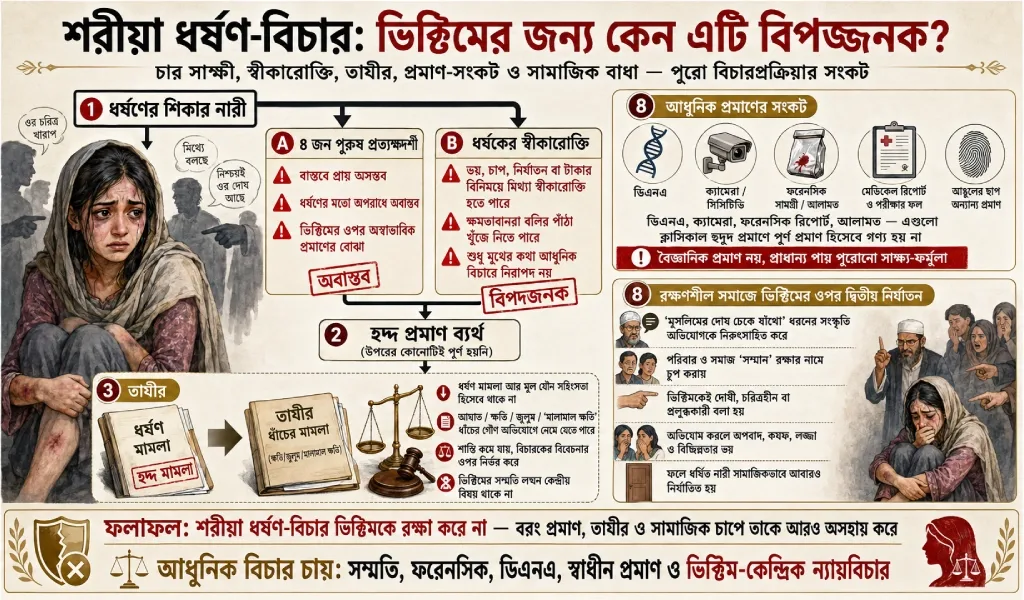
This article critically examines rape laws in classical Islamic Sharia, exploring how the four-witness requirement, restrictions on women’s testimony, and limitations on forensic evidence can obstruct justice and expose victims to punishment.